
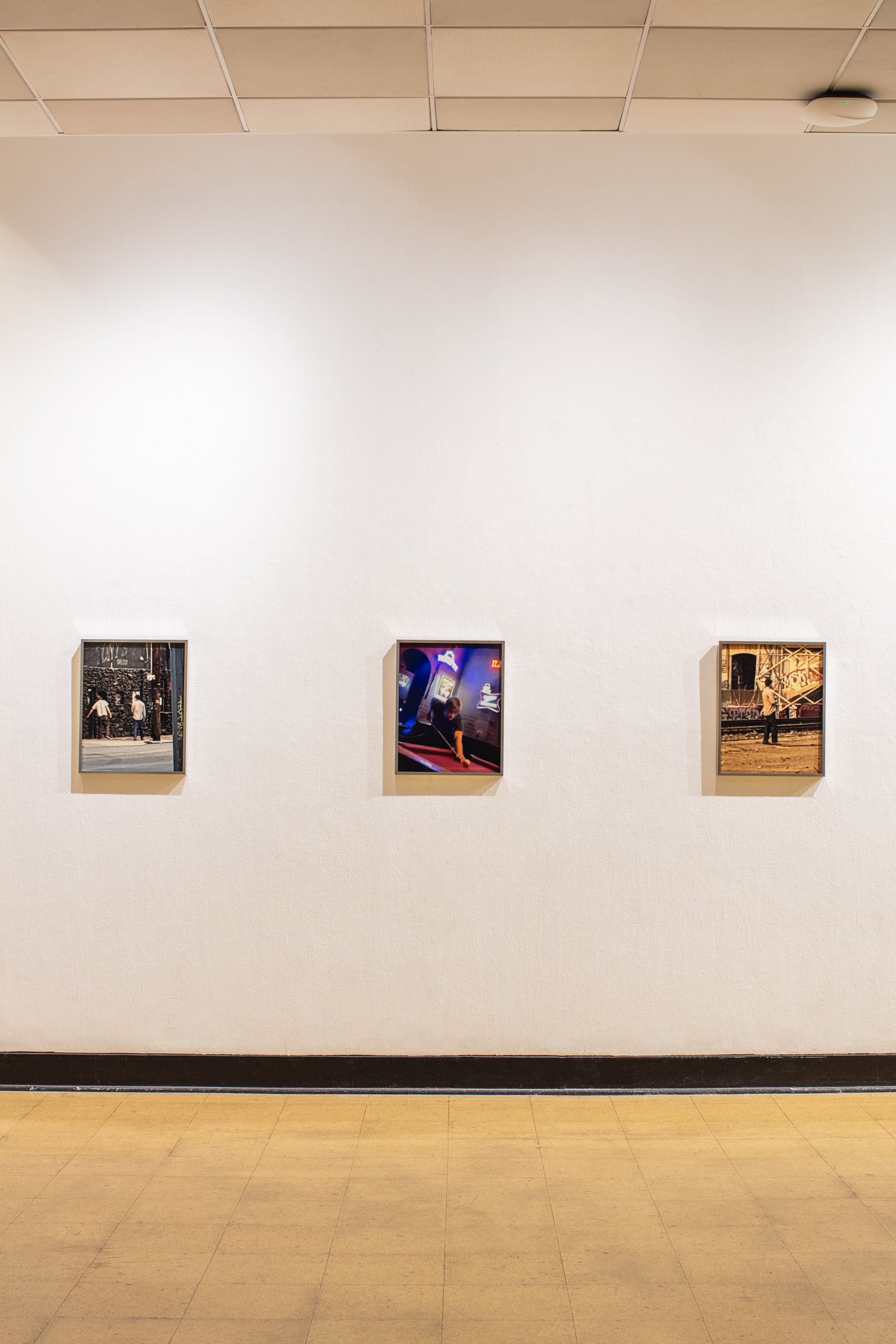


True Photographs, (2025)
True Photograph #01–#14, 2025. Digital C-prints, 50.8 × 40.6 cm | 20 × 16 inches each
The indexicality of photography often carries a general expectation of truth. Despite photography’s inevitable subjectivity, which permeates a photographer’s aesthetic decisions or intentional manipulation, we accept a photograph’s inherent potential to document objective truth -and for a long time, seeing was believing.
Now, with the democratization of image manipulation and generative image software, there is an exponential erosion in this expectation for truth in photography. The increase in misleading imagery risks diluting the public’s trust in genuine images, putting the authority attributed to the photographic image at stake. As a result, rather than questioning individual photographs, we have begun questioning photography itself.
Yet certain images continue to resist this erosion of belief. Surveillance footage, police body cameras, dashboard cameras, and private investigative photography are still widely treated as evidentiary images. Unlike conventional photography, these images are thought to exist independently of aesthetic intention. They seem to document rather than interpret.
This privatization of perceived truth in imagery suggests a potential distinction between the photograph as evidence and the photograph as witness: a genuine photograph seen as evidence requires separation of the author and any aesthetic or misleading intentions, whereas, as witness, a photograph that results from perspective has the capacity to misunderstand, misguide, or illustrate a partial view.
In True Photographs, I seek to challenge the construction of a true image by re-authoring private surveillance imagery in a public context, thus limiting the potential for imposed meaning on my behalf.
At my instruction (from January 1 to February 14, 2025), my family hired a private investigator under the pretense that they had lost contact with me. The investigator was tasked with providing eight days of observational documentation around Los Angeles, the dates of which I was unaware.
Despite separating myself from the camera as a mechanism and forfeiting control over the traditional specifics that a photographer uses to influence images (including lensing, lighting, composition, and timing), I found that through authoring concept, myself as subject, and circumstance through routine, I had control over the construction of these photographs. Although I didn’t take a single photo, I made them all.
The work proposes that photographic authorship need not reside in operating a camera, but in constructing the conditions under which an image becomes possible. In True Photographs, this negotiation becomes even more indirect. The camera functions outside of my own hand as my role shifts from photographer to author of a system.
The result, perhaps more familiar or recognizable in other forms of authorship, can be approached as self-portraits written from a third-person perspective.


This idea of an acquired authority or proof places True Photographs within a longer history of artists who have used surveillance and hired observation to consider photography’s relationship to identity and authorship. Sophie Calle’s The Shadow (1981) similarly employed a private detective to follow and photograph her throughout Paris. Calle writes, “In April 1981, at my request, my mother went to a detective agency. She hired them to follow me, to report my daily activities, and to provide photographic evidence of my existence.” Calle juxtaposed the detective’s photographs and objective reports with her own subjective recollections, presenting two parallel accounts of the same day.
Calle knew when the detective would be there. I did not. Calle knowingly performed for surveillance. She consciously constructed situations through which the investigator operated. Calle’s work is an effort to prove that she and her experience are real and true. In contrast, I attempted to remove my ability to perform. The limitations of my six-week performance, or lack thereof, were meant to create conditions in which I could not meaningfully alter my behavior without fundamentally changing my routine.
The project also recalls Jill Magid’s investigations into surveillance as a reciprocal relationship rather than a one-directional technology of control. In works such as Evidence Locker (2004), Magid developed intimate correspondences with CCTV operators in Liverpool, eventually transforming bureaucratic surveillance into a personal exchange. True Photographs approaches surveillance differently. Rather than seeking an intimacy with the observer, it maintains distance. The investigator remains anonymous throughout the project, becoming visible only through hints of their photographic decisions. Their identity is revealed not through biography but through perspective.
Surveillance is frequently understood through institutions such as governments, police, and intelligence agencies. Yet surveillance has become increasingly privatized and decentralized. Home security cameras, commercial monitoring systems, mobile phones, private investigators, and algorithmic tracking have transformed surveillance into an ordinary feature of everyday life. Observation no longer belongs exclusively to the state -it has become embedded within domestic and commercial environments. Surveillance is no longer exceptional. Someone can be hired to do it for $2,500.

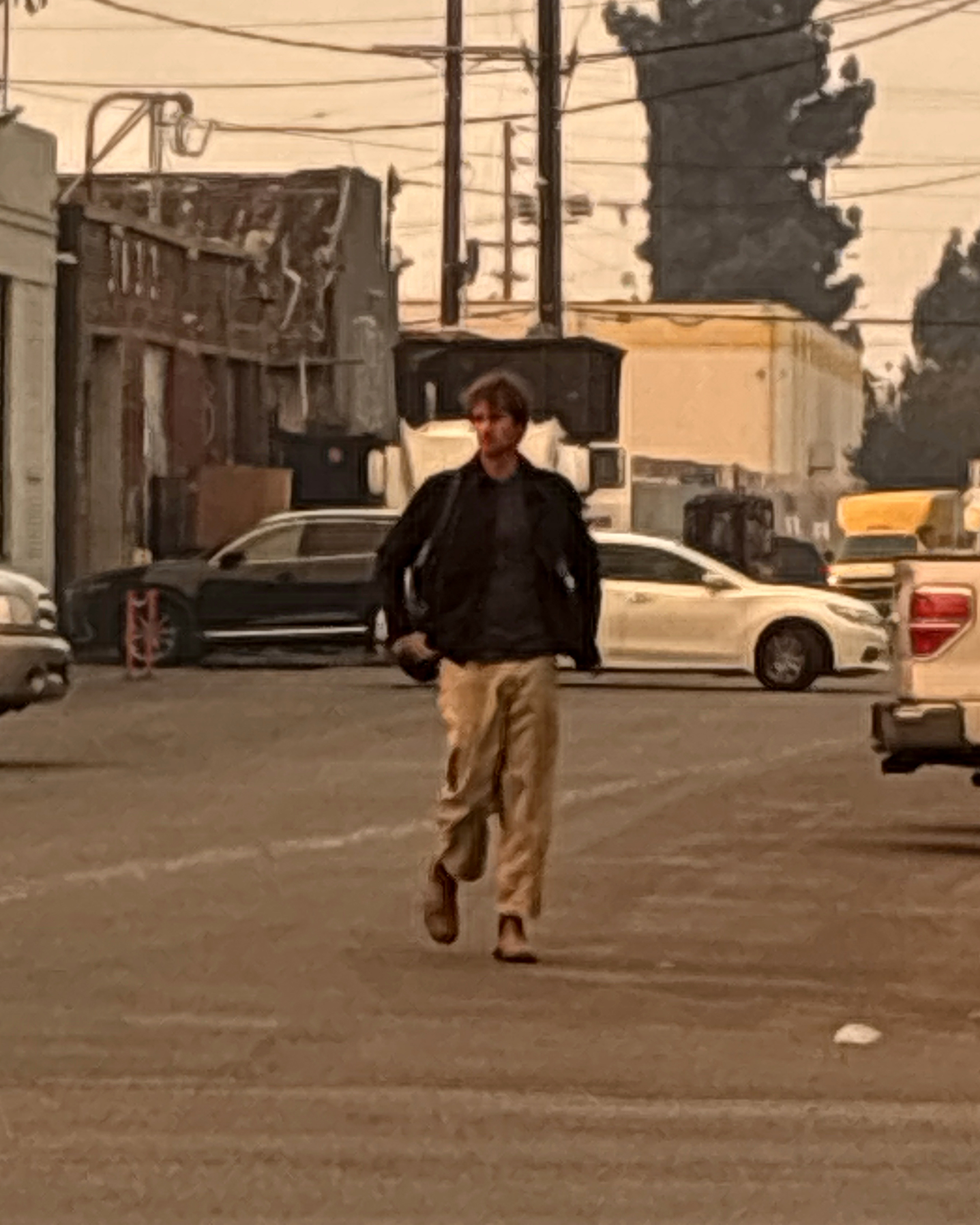
Private investigative photography is traditionally employed to expose hidden narratives -insurance fraud, infidelity, criminal activity, or evidence intended to withstand legal scrutiny. Its visual language carries an inherited expectation that something consequential has been uncovered. Yet my intention was much the opposite. I wanted these photographs to depict nothing extraordinary. Walking, buying groceries, waiting at traffic lights, drinking coffee -ordinary moments became the experiment’s evidence.
This experiment ultimately became less about proving photography’s objectivity than about demonstrating its impossibility.
The investigator brings habits, assumptions, and professional experience to each photograph. I construct the circumstances that produce the encounter. The viewer inevitably completes the image through interpretation. At no point does the photograph present as neutral. The project therefore shifts attention away from whether photography can tell the truth and toward the idea of a photograph existing outside perspective.
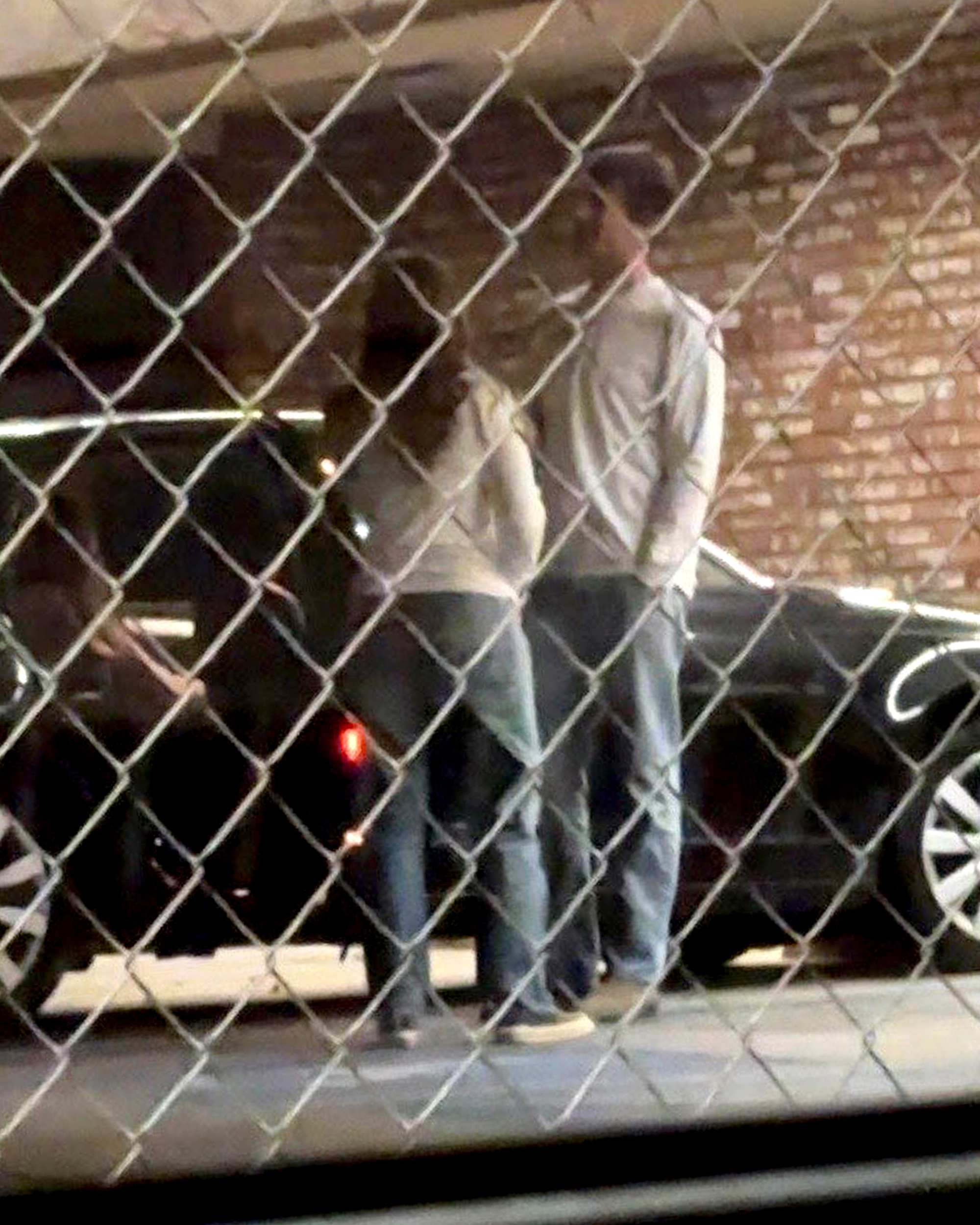
Looking through the complete body of photographs, I became aware that the investigator’s own perspective had entered the work despite intentions to avoid such. During the early weeks, the photographs were distant, cautious, and hesitant. I often appeared partially obscured behind parked cars, photographed from across intersections or through architectural barriers. Gradually the investigator moved closer. The compositions became more confident, the physical distance narrowed, and the images grew increasingly intimate. Although no narrative had been supplied beyond the fabricated concern that my family had lost contact with me, the investigator inevitably developed assumptions about the situation they had entered. Those assumptions became visible within the photographs themselves.
True Photographs became both a success and a failure. It succeeded in demonstrating that relinquishing the camera does not necessarily mean relinquishing authorship. It failed in its attempt to produce a photograph free from perspective. Every effort to remove intention simply revealed another layer of intention already embedded within the act of observation.
Roland Barthes described photography as bearing witness to “that-has-been” -an undeniable trace that something once stood before the camera. True Photographs accepts this indexical relationship while questioning what it can guarantee. A photograph may faithfully record that something existed before the lens, but it cannot guarantee how that existence has been framed, interpreted, or understood.
The truest photograph would be one entirely free from interpretation. Such an image cannot exist. Every photograph is made from a perspective, produced within a system, and completed by a viewer.
A true image is an uninterpreted image.
That impossibility is the work.